
Termite Prevention Treatment: The Calm, Practical Way to Prevent Termites Before You Have Damage
If you fix moisture and eliminate earth-to-wood contact, you cut termite risk dramatically; add a preventive barrier or a bait/monitoring system when your property has high-risk conditions, past termite history, or persistent moisture you can’t fully control yet.
What “termite prevention treatment” means (and what it doesn’t)
This phrase gets used in two different ways, and mixing them is how people end up paying for the wrong thing.
Termite prevention = habits + maintenance that make your home less attractive and easier to inspect (moisture control, clearance, cleanup, inspections).
Termite prevention treatment = a preventive professional system designed to reduce the chance termites establish—most commonly:
Liquid soil-applied termiticide (a treated zone/barrier concept)
Termite bait systems (monitoring stations, then bait when activity is detected)
If you already have confirmed termites, you may need corrective treatment—this page is about staying ahead of the problem.
The prevention ladder (do this in order so you don’t overpay)
Think of termite prevention like layering seatbelts, not buying one magic product.
Layer 1: Reduce what termites want
Termites thrive when they have moisture + hidden access + wood. So the first layer is environmental: fix moisture, create visual inspection gaps, and remove wood debris near the structure.
Layer 2: Remove “conducive conditions”
Extension guidance highlights moisture and other conditions that make termites more likely. If those conditions remain, preventive treatments are less predictable and more expensive long term.
Layer 3: Routine inspection + monitoring
Termites can be hidden. So prevention includes periodic checks—especially around foundations, crawl spaces, and any area with prior leaks.
Layer 4: Preventive professional treatment (when risk stays high)
Here’s where barrier or bait systems become rational for prevention.
Conducive conditions checklist (the real core of prevention)
If you do nothing else, do this section. Moisture and concealed wood contact are the repeated themes in EPA + extension-style guidance.
Conducive conditions to eliminate
Condition Why it matters What to do
Leaks / chronic moisture Moist wood supports termite pressure and hides early signs Fix leaks; keep crawl spaces/basements drier
Earth-to-wood contact Gives termites hidden access straight into wood Create clearance; keep wood components above soil
Mulch piled against foundation Retains moisture + blocks inspection visibility Pull mulch back and maintain an inspection gap
Wood debris near the home Food source + staging area Move firewood and scrap wood away from foundation
Drainage dumping near foundation Keeps soil wet (termite-friendly) Extend downspouts; regrade if needed
This is the “unsexy” part, but it’s the part that actually holds up long-term.
High-impact prevention actions (today / this week / this month)
When Action Why it’s high leverage
Today Move
firewood/wood scraps away from the house Reduces food and hidden termite staging near foundation
Today Walk
perimeter and look for soil touching wood Earth-to-wood is a classic risk path
This week Pull
mulch/soil back to create a visible buffer Keeps foundation inspectable and drier
This week Fix leaks
confirm downspouts drain away Moisture is a major conducive condition
This month Schedule
a termite inspection if you’ve never had one Termites can be present without obvious signs
This month Address
crawl space dampness / ventilation strategy Reduces long-term risk pressure
Decision Box:
Do you need preventive termite treatment, or just prevention?
You likely do NOT need preventive treatment (yet) if:
No termite history
You can keep moisture controlled and maintain clearance gaps
Your inspection access is clear and you check periodically
Preventive treatment starts to make sense if:
Prior termite history at the property
Persistent moisture conditions you’re still solving (leaks, damp crawl)
Heavy termite pressure in your region + multiple risk conditions
You want a formal protection layer (barrier or monitored system) beyond maintenance alone
This keeps prevention rational—not reactive.
Barrier vs bait for prevention (what each actually does)
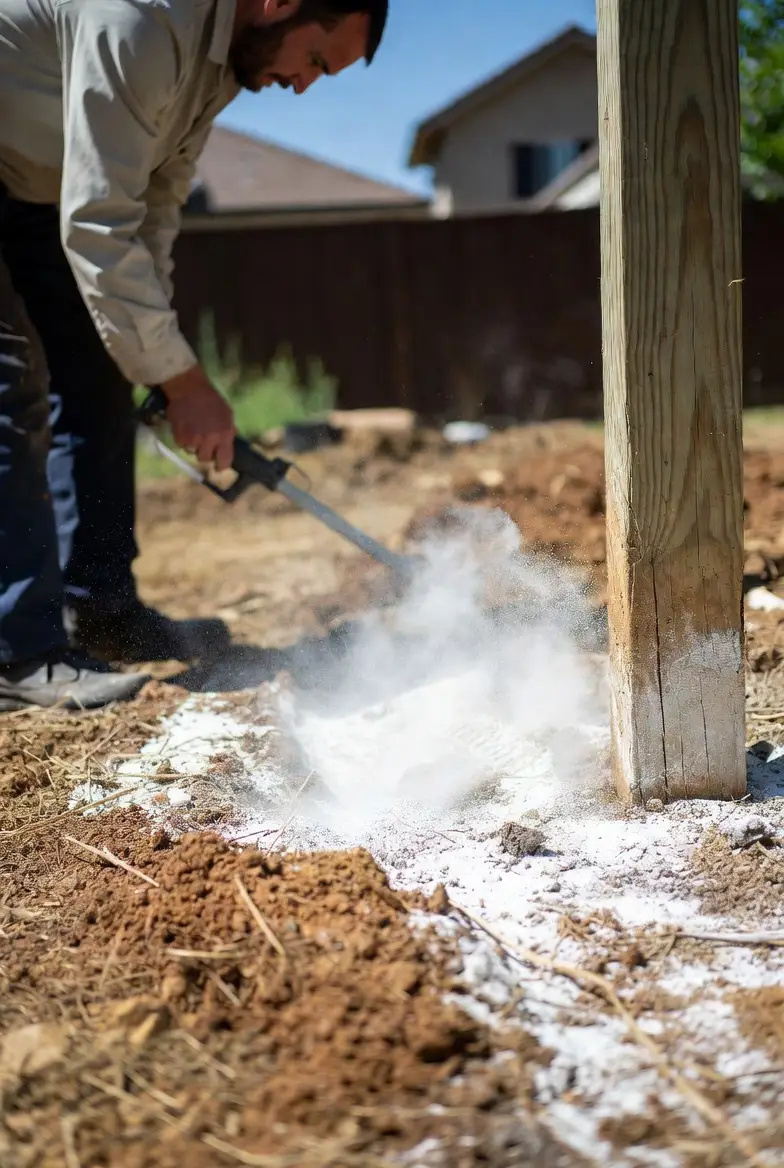
EPA lists liquid soil-applied termiticides and termite baits as two common treatment forms.
But for prevention, the difference is strategy.
Option Prevention goal Best fit Trade-offs
Preventive liquid barrier / treated zone Create a protective treated zone around/under the structure People who want a “set it up, then maintain conditions” approach May involve trenching/drilling; must be done correctly
Bait + monitoring system Detect termite activity at stations, then bait as needed People who want ongoing detection and structured monitoring Depends on monitoring schedule; can take time for colony-level impact
How bait systems work (simple, non-fluffy version)
Many baiting systems begin with monitors (wood or cellulose) to detect termite activity before bait is inserted, while other systems use bait material without a separate monitor stage.
That’s why monitoring cadence matters—if nobody checks stations, you lose the “early detection” advantage.
Where prevention treatment fails (even with good products)
Most failures aren’t because the method is “bad.” It’s because the conditions stay perfect for termites.
Common failure patterns:
Moisture not corrected (soil stays wet, wood stays damp)
Mulch/soil stays piled against the foundation (inspection visibility disappears)
Wood remains in contact with soil (hidden access remains)
Monitoring lapses (bait systems aren’t checked on schedule)
So the “best” prevention plan is the one you can realistically maintain.
Maintenance cadence (keep it simple, keep it consistent)
You don’t need to obsess. You need a rhythm.
Seasonal perimeter walk (spring + late summer):
look for wood contact, mulch buildup, drainage issues.
After storms or plumbing work: check for leaks and wet zones (moisture is the repeated driver).
If you use bait monitoring: keep the provider’s inspection schedule consistent—bait systems are built around detection + follow-through.
Limitations / Drawbacks (so expectations stay realistic)
No prevention approach makes a home “termite-proof forever.” Termites exist in the environment and can still exploit conditions over time.
Bait systems depend on ongoing monitoring and follow-up to deliver their prevention value.
Barrier approaches still benefit most when moisture and earth-to-wood contact are controlled, because those conditions elevate pressure and hide early signs.
Bottom line
Termite prevention treatment works best as part of a layered plan: fix moisture, eliminate earth-to-wood contact, keep a visible inspection gap, and inspect periodically. Then choose preventive barrier or bait monitoring when your risk profile justifies it—especially if the property has history or persistent conducive conditions.