Rodent Pest Control Services: A Practical Plan That Gets Rid of Rodents and Keeps Them Out
If you’re searching for rodent pest control services, you’re usually not looking for theory—you’re looking for relief. You’ve heard scratching, found droppings, or noticed signs around the kitchen, attic, garage, or crawlspace.
What most homeowners want is simple:
A solution that lasts.
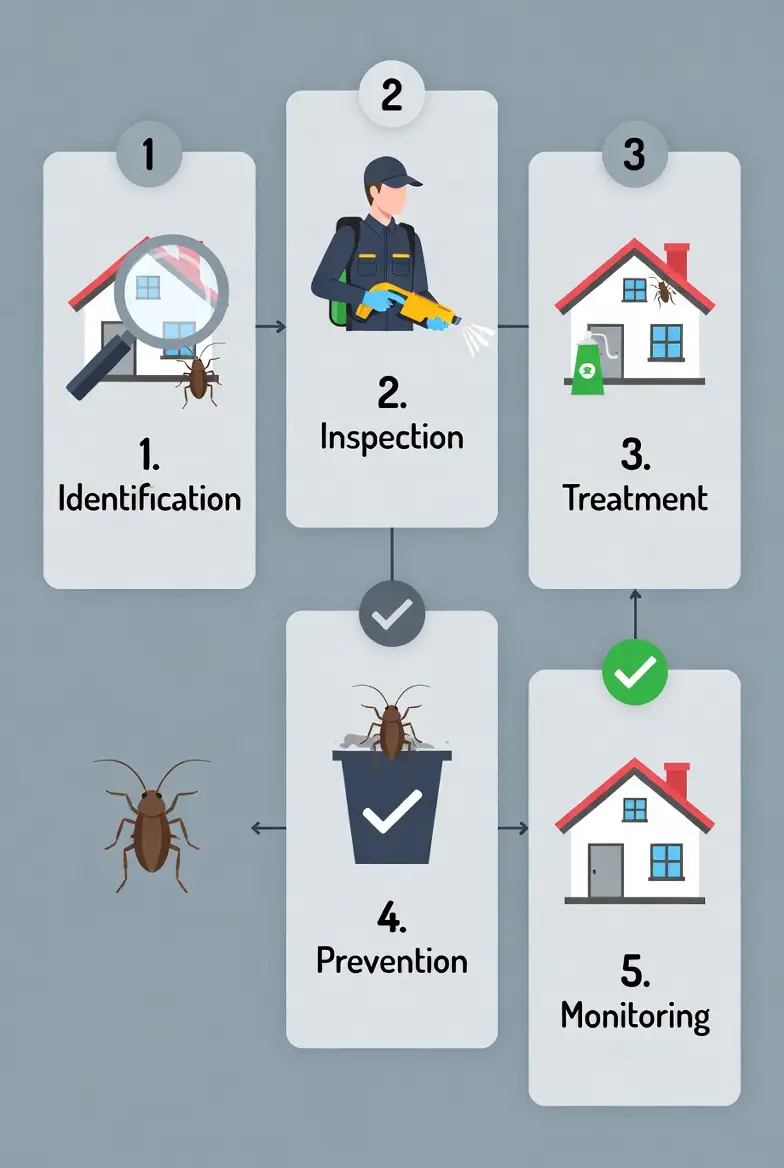
The truth is that long-term rodent control rarely comes from one tactic. The services that work best follow a combined approach: inspection, exclusion (proofing), active control, sanitation, and monitoring—which is the same basic logic behind Integrated Pest Management (IPM). IPM focuses on preventing pests by changing conditions that allow them to survive, then using targeted control tools as needed.
Quick Verdict
If a service doesn’t include exclusion (sealing entry points) and follow-up monitoring, it’s usually a temporary reduction—not a long-term fix.
What Rodent Pest Control Services Include (The 5-Part Standard)
A professional service built to hold up over time typically includes:
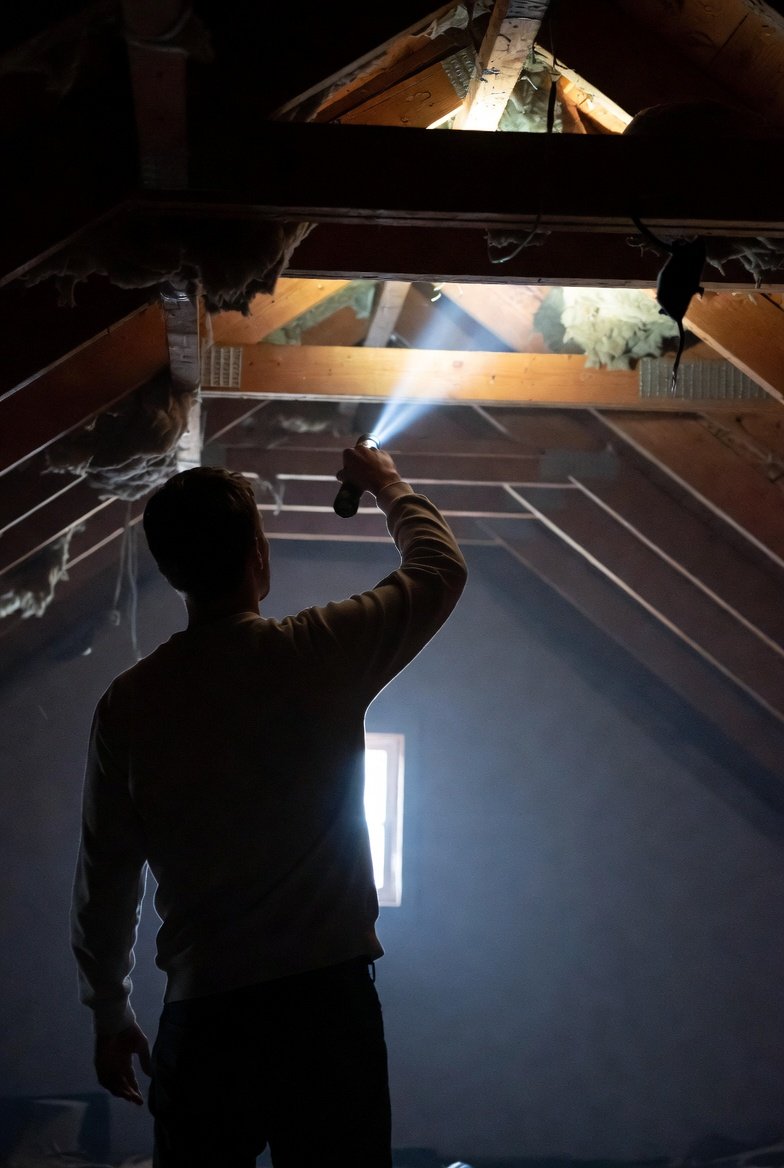
1) Inspection and Diagnosis
A good inspection looks for:
Droppings, nesting, rub marks, chew damage
Entry points (foundation gaps, garage corners, vents, roofline/soffits, utility penetrations)
Conditions that support rodents (food access, clutter, water sources)
Where activity is concentrated (kitchen, attic, crawlspace, garage)
This matches IPM principles: identify the pest, monitor evidence, and focus on prevention—not guesses.
2) Exclusion (Rodent Proofing)
Exclusion is the “structure fix.” It reduces repeat entry by sealing access points and reinforcing weak areas.
Authoritative IPM guidance for rodents emphasizes prevention steps like sealing entry points and removing food sources.
3) Active Control (Traps and/or Targeted Baiting)
Control tools reduce active rodents so your home can reset.
Traps are often used indoors along travel routes
Baiting may be used strategically (often exterior or controlled-use situations)
Placement and monitoring matter more than “more product”
4) Sanitation and Attractant Reduction
This isn’t about perfection—it’s about removing the easy wins:
Store food in hard containers (including pet food)
Keep trash secure
Reduce clutter near walls (rodent travel lanes)
Address water sources (leaks, standing water, pet bowls overnight)
These are core IPM elements that support long-term results.
5) Follow-Up and Monitoring
Rodent control often needs follow-up to confirm:
Activity is actually dropping
New entry points aren’t being used
The plan is working in the right places
Monitoring and adjustment is a key IPM concept: measure evidence, then refine the plan.
Rats vs Mice (Quick Self-ID That Helps the Plan)
You don’t need to diagnose perfectly, but it helps to know what you’re likely dealing with.
Clue More like Rats vs Mice
Droppings smaller larger
Noise lighter scratching heavier movement
Urgency often manageable early escalate faster, more damage risk
This is why “one-size” services can disappoint—different rodents often require different emphasis in inspection and exclusion.
Outside-In: The Exclusion Checklist (What Pros Usually Secure)
Rodent control is often won outside the home first—because entry is the engine of repeat infestations.
A strong exclusion plan commonly addresses:
Foundation gaps and cracks (especially around pipes)
Garage door gaps and side seals
Vents (dryer, attic, crawlspace)
Utility penetrations (AC lines, cable entry points)
Roofline / soffit intersections where gaps form over time
Crawlspace access points and weak screens
This “prevent entry + reduce attractants” approach is central to rodent IPM guidance.
DIY vs Professional Service (Clear Decision Boundaries)
Professional Rodent Pest Control Services
Situation DIY might be enough Professional service is better
One mouse sighting, no droppings, no repeats  Monitor + basic sealing If signs return
Droppings or nesting present  Yes (inspection + plan)
Scratching most nights Yes (active control + exclusion)
You’ve tried traps and it keeps returning Yes (entry points missed)
Strong odor / contamination Yes (cleanup/remediation likely)
If signs repeat, it’s usually an entry/attractant problem—not a trap-count problem.