
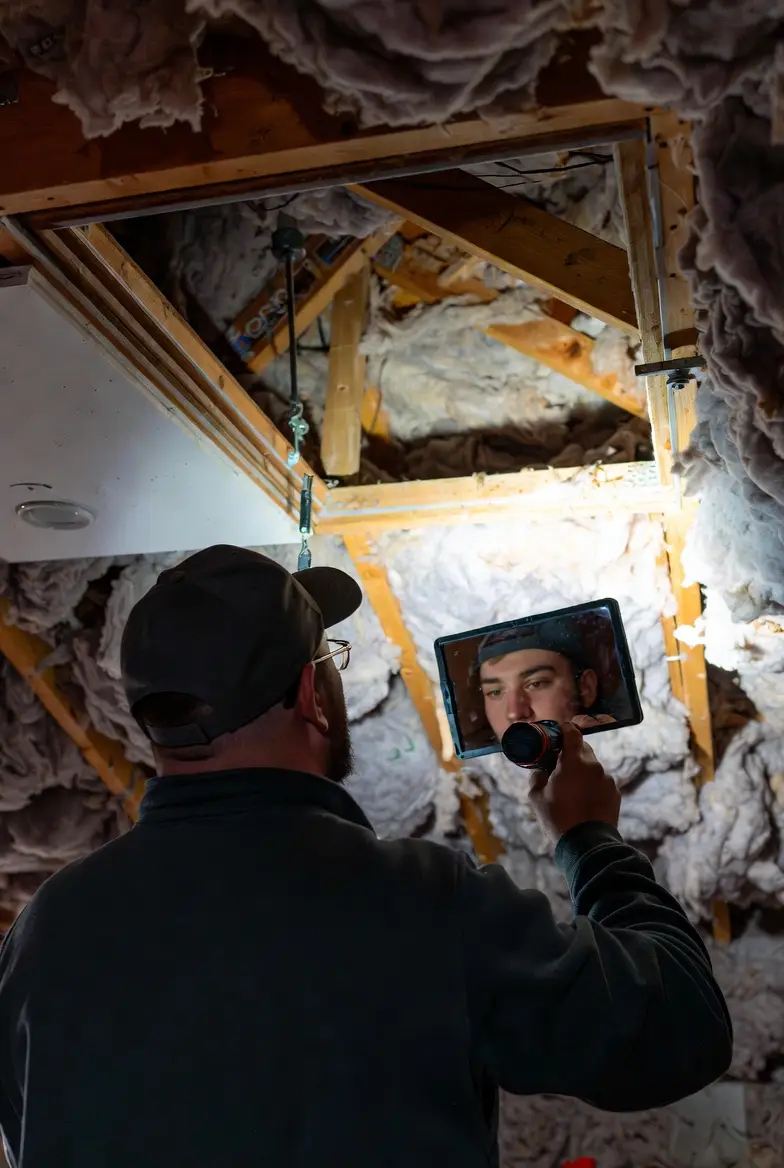
Termite Inspection: What It Covers and How to Make the Result Actionable
If you’re buying/selling, saw swarmers, or have moisture/wood-to-soil risks, a termite Inspection Guide is the fastest way to convert “worry” into a clear decision—monitor, repair, or treat.
Why termite inspections matter (and why “I don’t see aEarly Signs of Termites in a Housenything” isn’t a real test)
Termites are built for staying hidden. Many infestations aren’t obvious until there’s a swarm event or damage is found during a repair. The EPA notes that people often don’t realize they have termites until those moments because activity can be concealed in soil, mud tubes, or inside wood members.
A termite inspection is less about fear and more about clarity:
Termite Inspection & Early Signs Checklist
Is there evidence of active or past termite activity?
Are conditions present that make termites more likely (even if none are visible today)?
What’s the next best step based on the report—fix conditions, monitor, treat, or get a second opinion?
When you should schedule a termite inspection
You don’t need one every time the house makes a noise. But these triggers are worth taking seriously:
Book an inspection if any of these are true
You saw swarmers or found discarded wings near windows/lights
You’re buying or selling a home and a wood-destroying insect report is requested (commonly called a WDI/WDO/termite report)
You have ongoing moisture issues (leaks, damp crawl space, poor drainage)
You spot mud tubes on foundation walls, piers, or crawl space surfaces (classic subterranean sign)
You have wood-to-soil contact or conditions the EPA flags as higher risk (e.g., drainage problems, wood debris stored against the home)
What a termite inspection is (and what it is not)
Most termite inspections are visual inspections of readily accessible areas. That wording matters because it sets expectations.
What it usually includes
Exterior perimeter evaluation (foundation line, grading/drainage, wood contact points)
Interior evaluation of accessible areas and likely risk zones
Crawl
space/basement/attic checks if accessible
Notes on evidence and “conducive conditions”
A written report with findings and recommendations
What it usually does NOT include
Opening
walls/ceilings/floors as part of a standard inspection (unless you request invasive diagnostics)
A guarantee that termites can never happen
Treatment (inspection and treatment are best treated as separate decisions)
Why “accessible areas” is a big deal: even standardized WDI report language notes the inspection is conducted in readily accessible areas and that obstructions/conditions may be recorded.
Three common inspection types (know which one you’re paying for)
1) Standard preventative termite inspection
Best for:
routine check, annual/periodic peace-of-mind
Output:
evidence + risk conditions + prevention steps
2) Real-estate WDI/WDO inspection report
Best for:
purchase/sale transactions, lender or contract requirements
Output:
a documented report format; still typically visual and access-limited
3) Enhanced / investigative inspection (limited invasive)
Best for:
suspicious areas where visual evidence is unclear
Output:
deeper confirmation (may involve targeted access, specialized tools, or follow-up visits)
If you’re not sure which you need, ask: “Is this a WDI report for a transaction, or a preventative inspection for my own planning?”
What inspectors look for (evidence + risk conditions)
The EPA’s prevention guidance is essentially a map of what inspectors care about: moisture, access, and wood contact.
Termite evidence and risk checklist
Finding What it can mean Where it’s often found
Mud tubes Subterranean travel/protection routes Foundation, crawl space piers
Swarmers / discarded wings Colony maturity / swarm event Window sills, near lights
Wood that sounds hollow Possible internal feeding galleries Sills, joists, trim
Moisture conditions Higher termite risk Crawl spaces, leaks, condensation zones
Wood-to-soil contact Easy hidden access Siding, steps, posts, deck supports
Termites vs flying ants (fast rule-out)
Swarmers create a lot of “false alarms” because ants swarm too. Extension and inspection training materials commonly use the same identifiers: termites have straight (or drooping) antennae and wings that are roughly equal length, while flying ants have elbowed antennae and unequal wing lengths.
Quick ID table
Feature More like termites More like flying ants
Wings Two pairs, roughly equal length Front wings longer than hind wings
Antennae Straighter, may droop Bent/elbowed
Waist Thicker, less pinched Narrow/pinched
If you can’t tell: don’t spiral. Save a clear photo or a specimen and schedule the inspection.
How to prepare for a termite inspection (so it’s actually thorough)
This is the quiet “pro move” most homeowners skip.
Prep checklist
Rodent & Termite Control Services (Commercial + Residential)
Clear stored items away from foundation walls (inside and outside)
Make crawl space access available if you have one (key/lock/entry path)
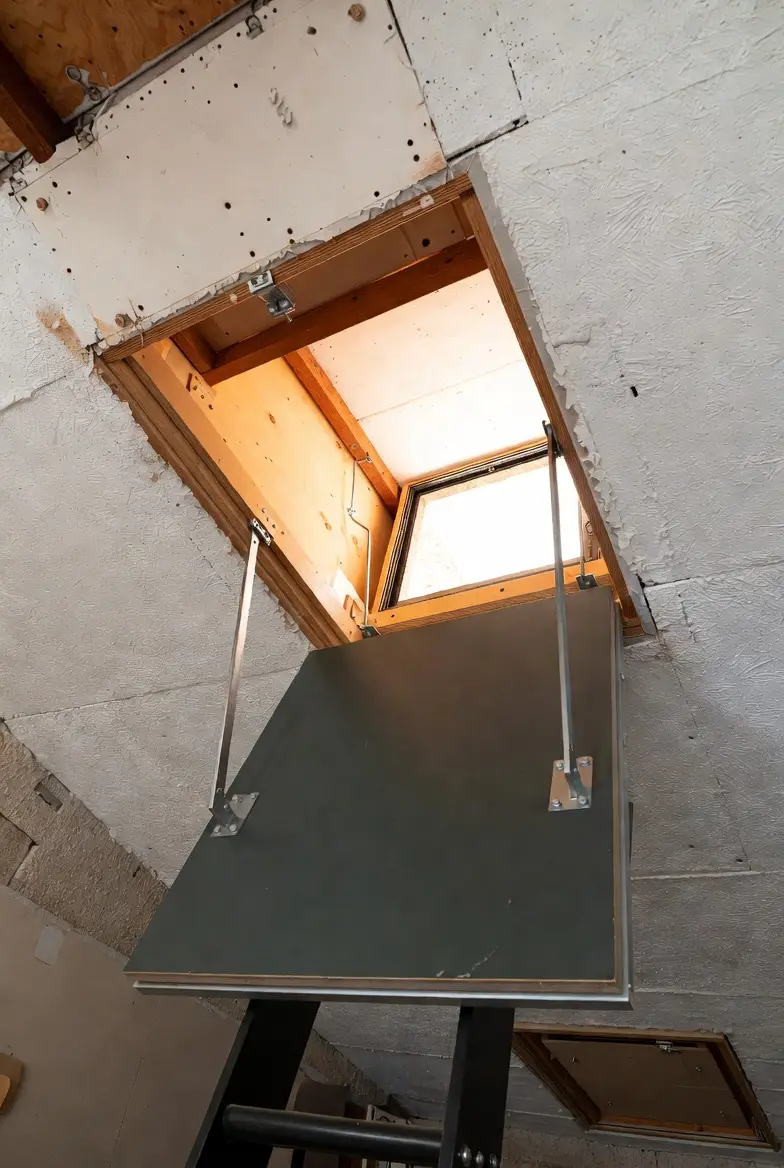
Ensure attic access is open if it’s part of the scope
Disclose known leaks, past treatments, or prior damage repairs
Keep pets secured so the inspector can move freely
Why this matters: if areas are obstructed, many report formats document those limits rather than guessing.
What happens during a good inspection (what you should expect)
1) Exterior pass: moisture and access
Inspectors commonly evaluate:
Drainage patterns and downspout discharge locations
Wood debris/firewood stored near the home (EPA flags this as a risk practice)
Entry routes and areas where wood contacts soil
2) Interior check: accessible wood and risk zones
A solid inspector looks at:
Baseboards/trim and areas near bathrooms/kitchens (moisture adjacency)
Structural members where access exists
Any spots you flagged (soft floors, suspicious trim, prior leaks)
3) Crawl space / attic / attached structures
If accessible, these can reveal early evidence because they’re less disturbed and more humid-prone.
4) Report and next steps
You should leave with:
What was found (or not found)
What limited access (if anything)
A clear recommendation: monitor, correct conditions, treat, or follow up
Read the report like a decision owner (not like a passenger)
Here’s the practical “if X, then Y” logic.
Decision matrix
Report outcome What it likely means Best next step
No evidence + low-risk conditions Good news today Prevent + re-check periodically
No evidence + high-risk conditions Risk is real even if hidden Fix moisture/wood contact; schedule follow-up
Evidence of past activity, unclear status History without certainty Clarify treatment history + consider enhanced inspection
Evidence of active termites Action needed Get treatment options + scope clarity
The EPA’s prevention list is useful here: controlling moisture, not storing wood debris next to the house, and inspecting periodically are repeatedly emphasized because they reduce the chance colonies become established.
Cost drivers (what changes inspection price and value)
Prices vary by region and inspection type, so focus on scope.
Inspection cost drivers
Termite Treatment Options & What Comes After Inspection
Driver Why it changes scope What to ask
Property size/complexity More areas, more time “How long is the inspection?”
Crawl space/attic access Access constraints slow work “Do you inspect these areas if accessible?”
Real estate report format More documentation “Is a WDI report included if needed?”
Enhanced diagnostics Deeper confirmation “Do you offer a follow-up investigative inspection?”
If termites are found: understand the main treatment categories
Your inspection should point toward options, not push you into a rushed decision.
Treatment options comparison
Option Best for Trade-offs
Liquid soil treatment (barrier) Perimeter protection approach Depends heavily on correct application and conditions
Bait system (monitor + bait) Ongoing monitoring mindset; sensitive sites; large/multiple colonies Takes time; requires station checks; still effective in many contexts
Targeted wood protection (case-by-case) Specific vulnerable wood members Not a universal “whole-house” answer
Baiting is widely discussed as a useful approach in certain scenarios (e.g., sensitive sites, large colonies, or where liquids fail) and as an effective management option with reduced broad chemical input.
Bond / warranty basics (ask this before signing anything)
Mini-table: what to clarify
Question Why it matters
“Does it cover retreatment only, or repairs too?” Many cover retreatment only
“What are the inspection intervals to keep coverage valid?” Often requires periodic checks
“What voids the agreement?” Access changes, drainage neglect, remodel work can matter
Keep it simple: you want the contract to match the actual risk.
Swarm day checklist
Do
Save a clear photo or sample (wings/antennae matter)
Look for discarded wings near windows/lights
Schedule inspection if uncertain—swarms are often the first visible clue
Don’t
Assume a spray solved the issue (swarmers are not the colony)
Ignore moisture and drainage issues if present (risk multiplier)
Rush into treatment without understanding scope
Limitations / Drawbacks (what inspections can’t guarantee)
Standard inspections are often visual and access-limited. If areas are obstructed, results may be inconclusive.
“No evidence found” is not “no risk”—conducive conditions still matter.
Treatment quality varies; prevention and periodic checks reduce dependence on perfect conditions.
Prevention after inspection (the boring habits that win)
EPA’s prevention guidance is practical and repeatable:
Keep moisture down with proper drainage and maintenance
Don’t store firewood or wood debris next to the home
Inspect periodically so colonies don’t establish
That’s the quiet way to keep termite risk low without obsessing.
Bottom line
A termite inspection is a decision tool: it tells you what’s visible, what conditions increase risk, and what the most sensible next step is. If you treat the report like a simple decision matrix—and fix moisture/wood-contact risks—you stay ahead of termites instead of discovering them during a remodel.