
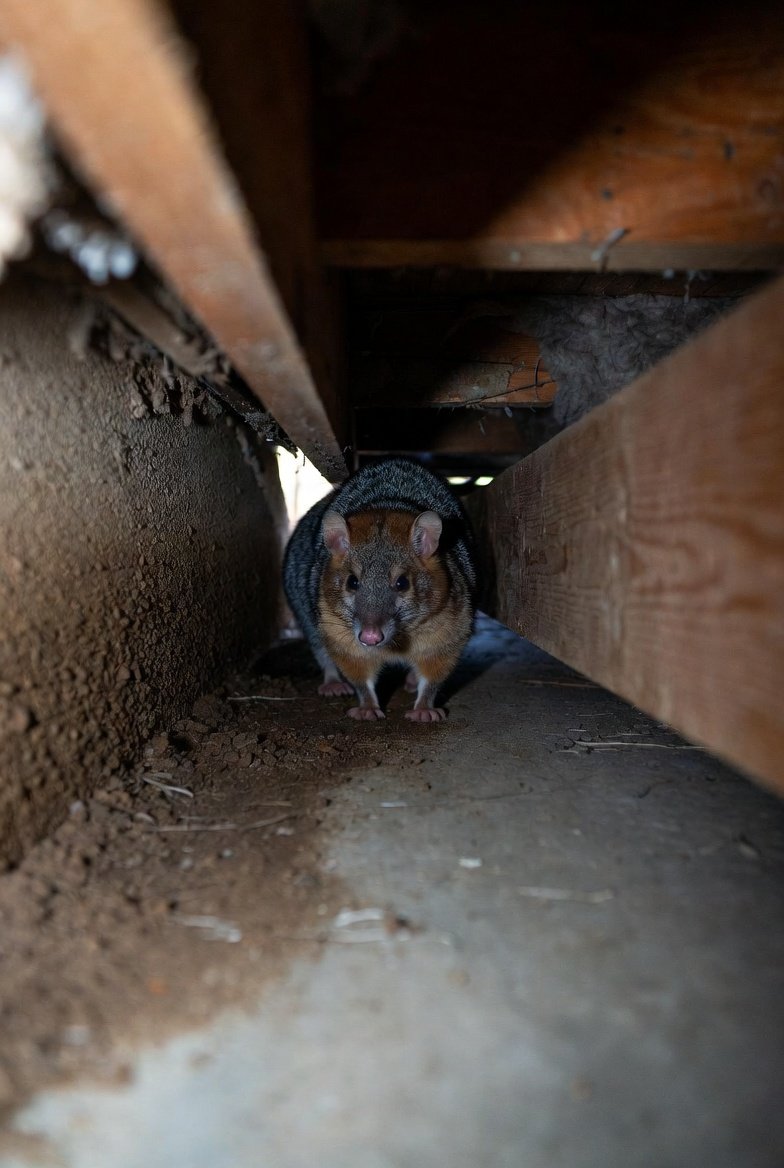
Animal in Crawlspace: How to Identify It, Remove It, and Prevent It From Coming Back
Crawlspace animal problems rarely announce themselves loudly.
They start subtly.
A faint odor.
Soft digging.
Insulation sagging between joists.
A pet pacing above a specific floor section.
By the time you’re searching “animal in crawlspace,” something has already changed under your house.
The real issue isn’t just removal.
It’s:
- Species identification
• Structural vulnerability
• Moisture imbalance
• Entry point failure
• Recurrence risk
Handled in the correct sequence, most crawlspace cases stabilize predictably.
Handled partially, they repeat — often worse the second time.
Step 1: Identify What’s Under the House
Different animals require different removal strategies.
Sound Pattern Guide
Sound Type | Likely Animal | Activity Timing |
Heavy thumping | Raccoon | Night |
Slow dragging | Opossum | Night |
Rapid scratching | Rats | Night |
Digging at foundation | Skunk | Night |
Short bursts + chewing | Rodent | Night |
If noise is above ceiling level, compare with:
Animal in attic scratching at night
Odor Clues
- Strong musky smell → Raccoon
• Sharp skunk odor → Skunk
• Ammonia smell → Rodents
• Rotting smell → Possible carcass
Odor intensity often indicates nesting — not just passing activity.
Step 2: Determine Severity (Crawlspace Scale)
Crawlspace Intrusion Severity Table
Level | Conditions | Recommended Action |
Light | Single animal, no nesting | Removal + inspect |
Moderate | Nesting material present | Removal + exclusion |
Heavy | Insulation torn, burrows dug | Removal + structural repair |
Severe | Multiple animals + contamination | Professional remediation |
Crawlspaces amplify contamination because:
- Airflow is restricted
• Soil holds moisture
• Vapor barriers trap odor
• Access is difficult
Why Crawlspaces Attract Wildlife
Crawlspaces are ideal shelters because they provide:
1️⃣ Temperature Stability
Cool in summer. Warmer in winter.
2️⃣ Soil for Burrowing
Especially in pier-and-beam homes.
3️⃣ Foundation Gaps
Common weak points:
- Vent screens
• Lattice
• Access doors
• Utility penetrations
4️⃣ Moisture Problems
Standing water
Condensation on ducts
Damaged vapor barriers
Moisture is often the hidden attractor.
If your crawlspace has humidity issues, removal alone won’t hold.
For broader structural defense planning:
Structural Damage Animals Cause Under Houses
Wildlife doesn’t just “sit” under a home.
They damage:
- Fiberglass insulation
• Ductwork insulation
• Vapor barriers
• Floor joist wiring
• Foundation vents
Raccoons and skunks dig along footers.
Rodents chew wiring — increasing fire risk.
Moist soil burrows can destabilize perimeter grading.
Correct Removal Sequence (Critical)
Most DIY failures happen here.
The correct order:
1️⃣ Identify species
2️⃣ Remove animal safely
3️⃣ Confirm no remaining activity
4️⃣ Seal all entry points
5️⃣ Address moisture issues
Skipping sealing = repeat intrusion.
If rodent activity is confirmed:
(The removal → exclusion principle applies under the house just like attics.)
Do NOT Seal While Animals Are Inside
Sealing too early can:
- Trap animals in wall voids
• Force entry into living space
• Create odor from decomposition
Removal must come first.
DIY vs Professional — Hard Thresholds
Condition | DIY Reasonable | Professional Recommended |
Small rodent only | ✔ | |
Animal > 15 lbs | ✔ | |
Strong odor | ✔ | |
Insulation torn > 25% | ✔ | |
Crawlspace clearance < 18 inches | ✔ | |
Moisture standing water present | ✔ |
Large wildlife removal carries safety risk.
Crawlspaces under 18 inches clearance dramatically increase physical hazard.
Realistic 2026 Cost Expectations
Single Animal Removal
$200–$500
Wildlife Removal (Large Animal)
$400–$1,200
Exclusion & Reinforcement
$500–$1,500+ depending on:
- Vent repair
• Access door replacement
• Lattice reinforcement
• Foundation sealing
Crawlspace Remediation
$600–$2,500+ if:
- Vapor barrier replacement
• Insulation removal
• Moisture correction
• Structural repair
Severe multi-animal cases can exceed $3,000.
Why Crawlspace Animal Problems Come Back
Repeat cases usually happen because:
- Foundation vents weren’t reinforced
• Moisture remained untreated
• Soil burrow paths weren’t collapsed
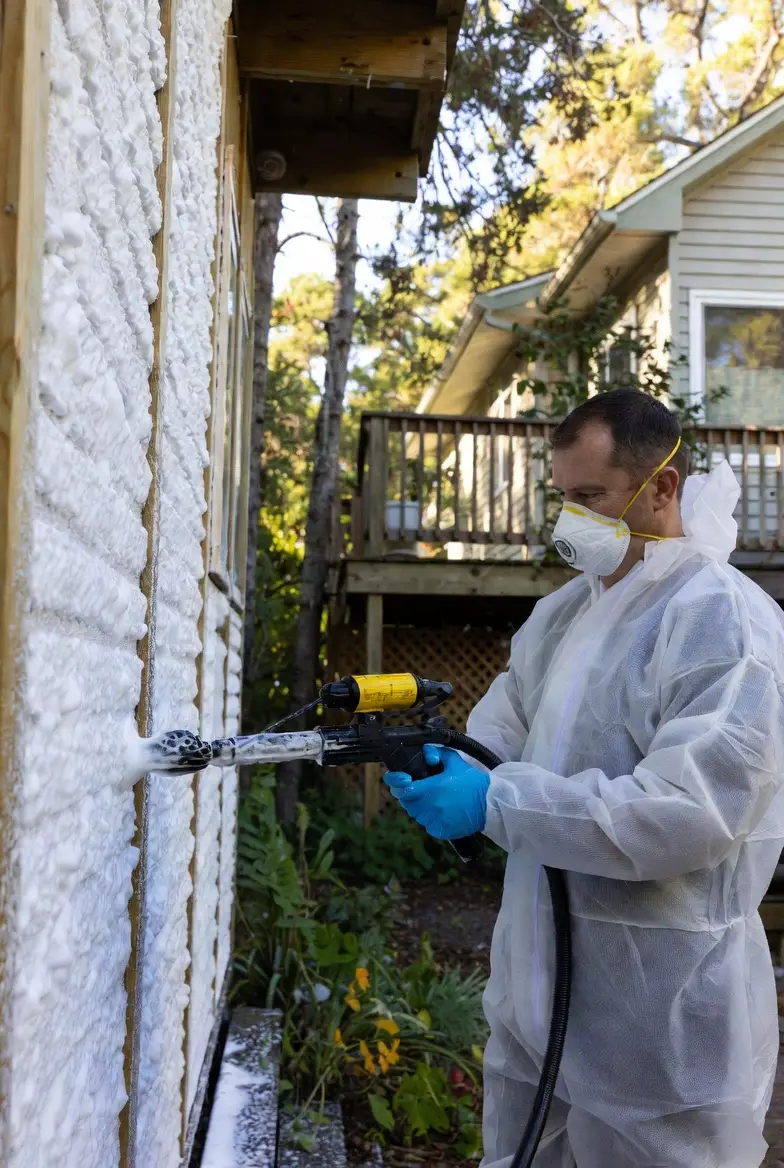
• Entry gaps were sealed with foam only
True resolution requires:
Removal → Exclusion → Moisture Correction
Not removal alone.
Micro-Case Example
In humid southern homes, raccoons frequently enter through weakened lattice skirting.
Homeowner removes animal.
Does not reinforce vent screens.
Two months later — second intrusion.
The issue wasn’t removal.
It was structural vulnerability.
When to Call Wildlife Control Immediately
Escalate if:
- You suspect raccoons or skunks
• Multiple animals are present
• Odor is strong
• You cannot access crawlspace safely
• Structural damage is visible
If the issue repeats seasonally, structured under-house wildlife service is usually more cost-efficient than repeated DIY attempts.
Decision Matrix
Best case → Small rodent → Remove + seal
Most common → Nesting wildlife → Removal + exclusion
Worst case → Structural + contamination damage → Full remediation
Bottom Line
An animal in crawlspace areas signals:
- Structural entry failure
• Shelter conditions
• Possible moisture imbalance
Handled early and in the correct order, most cases stabilize quickly.
Handled partially, they repeat.