
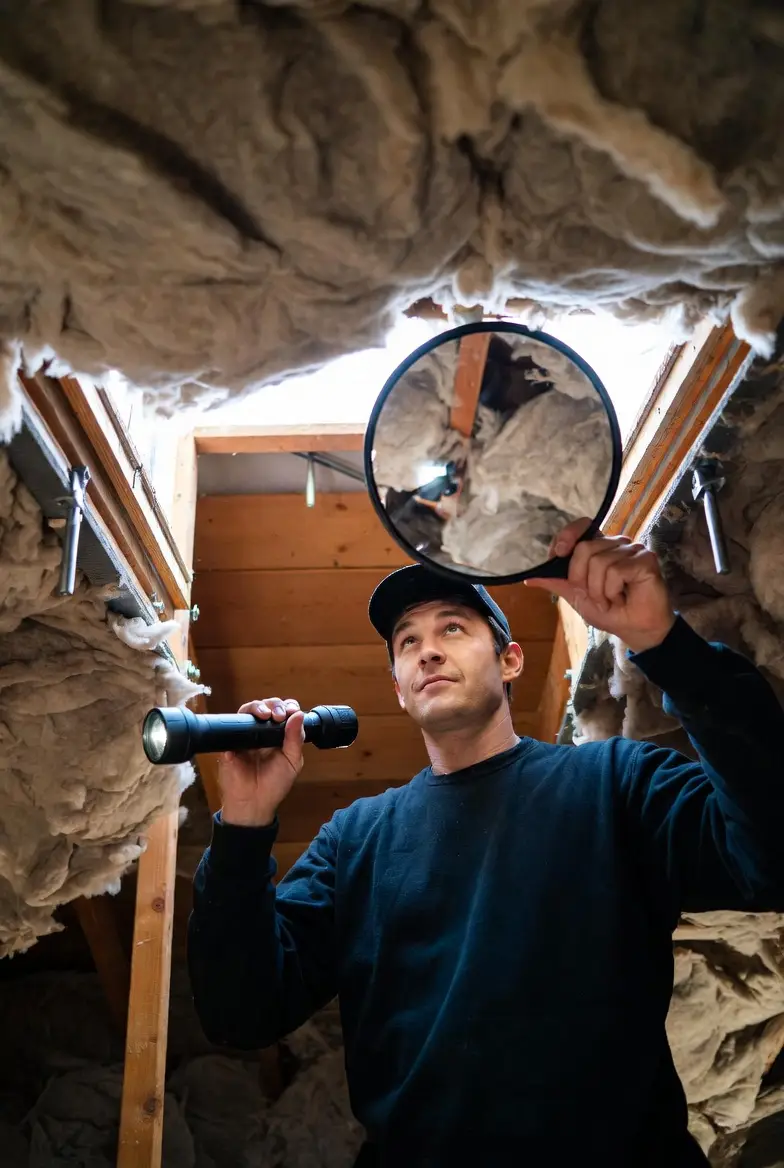
Attic Animal Removal: How Pros Get Animals Out and Keep Them Out
When something is living in your attic, the real goal isn’t just “get it out.” It’s to get it out safely, confirm it’s gone, and close the openings so the next animal can’t use the same route.
Companies That Remove Animals From Attic
That’s what attic animal removal should mean: removal or eviction + exclusion (sealing) + cleanup when needed. The pages that rank well for this topic tend to be very clear about that difference—because “trap-only” fixes often turn into repeat problems.
Quick Verdict
The most reliable Attic Animal Removal Service ends with exclusion—animals can’t return if the entry points are sealed after the attic is confirmed clear.
What Attic Animal Removal Includes (The 4-Part Standard)
A reputable attic animal removal service is usually built around four steps:
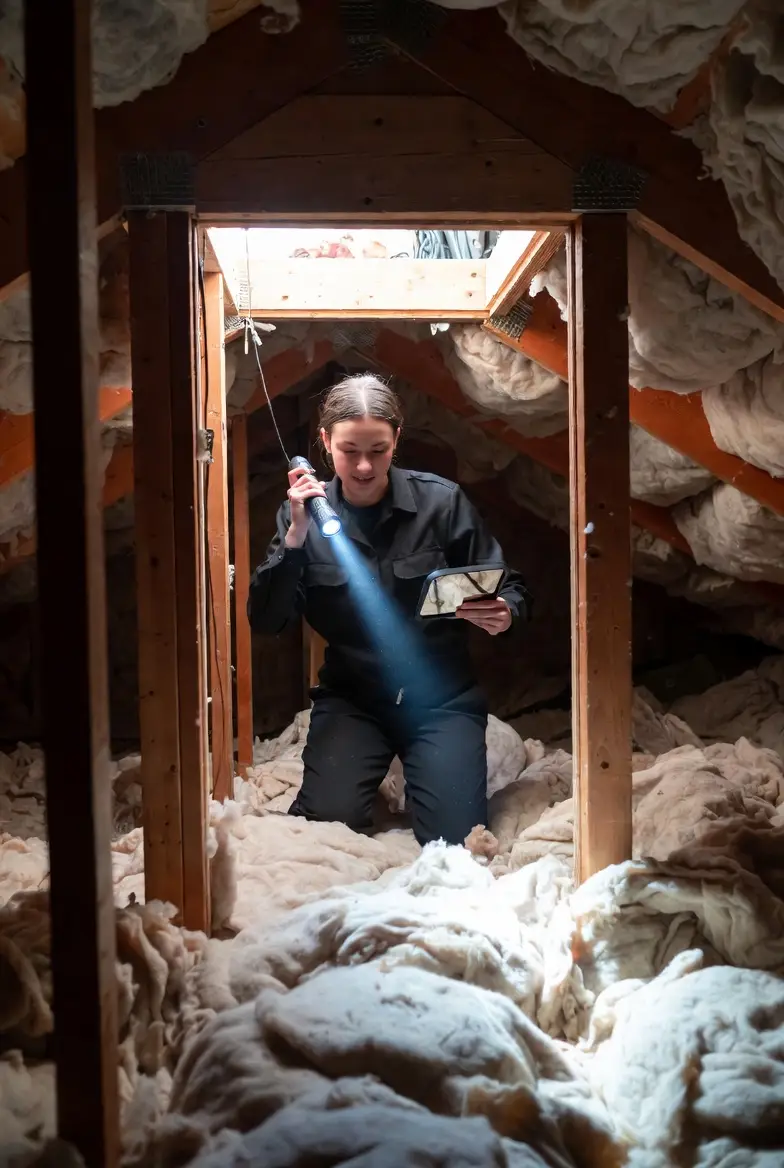
1) Inspection (the decision-maker step)
Inspection is where the plan becomes accurate. A proper inspection identifies:
Likely species (based on signs, timing, and entry points)
Primary and secondary entry locations (roofline/vents/soffits/fascia transitions)
Nesting zones and insulation disturbance
Contamination level (droppings/urine/nesting material)
Any visible damage patterns that affect safety and cost
2) Removal or Eviction (species-matched)
Depending on what’s up there, a pro may use:
Humane trapping (where legal/appropriate)
One-way devices (exclusion funnels/doors) for certain animals
A staged plan if there’s a nest or young involved
3) Exclusion (sealing entry points — the “keep them out” part)
This is the part that prevents re-entry, and it’s a common SERP trust signal because it separates “real fixes” from “quick removals.”
A standard exclusion sequence looks like this:
Seal secondary gaps first (so the animal can’t simply shift to another opening)
Install a one-way device on the primary exit route (when appropriate)
Confirm no activity (noise stops, signs reduce)
Remove the device and seal the main entry point permanently
4) Cleanup / Sanitizing / Restoration (when needed)
Not every attic needs restoration, but if droppings/urine/nesting material are present, cleanup reduces odor and hygiene risk.
Many service pages describe using disinfectants and careful removal of nesting material and droppings as part of a thorough cleanup.
What This Service Is NOT (Avoid the “Half-Fix” Trap)
This quick section saves homeowners money.
Attic animal removal is not:
Trap-only with no sealing plan (re-entry is common)
Sealing everything immediately without confirming the attic is clear (can trap animals inside)
“Fogging” or mystery chemical treatments as the main solution
The attic stays solved when the structure stops being accessible.
Common Attic Animals (And What the Service Usually Looks Like)
You don’t need perfect identification, but it helps to know what’s typical:
Squirrels:
often daytime movement; entry near roofline/soffits; exclusion + repairs matter
Raccoons:
heavier movement; may damage vents/soffits; removal plus structural repair is common
Rodents (rats/mice):
night activity + droppings; cleanup boundaries matter
Bats:
can be quiet; exclusion timing and safety decisions matter
Birds: fluttering/chirping; usually related to vents/openings
A good inspection clarifies which path you’re on.
DIY vs Pro (Clear Decision Boundaries)
Scenario DIY might be reasonable Call a pro
One-off noise, no droppings, no odor ✅ Monitor 24–48 hours ✅ If it repeats
Droppings/nesting material visible ❌ ✅ Yes (health + exclusion)
You suspect bats ❌ ✅ Yes (rules + safe exclusion)
You can’t find the entry point ❌ ✅ Yes (inspection + sealing plan)
Strong odor / dead animal smell ❌ ✅ Yes (find source + sanitize)
DIY can help you gather clues. Professionals solve it by closing the building’s weak points.
What To Do Today (Before Service Arrives)
If your goal is to get animals out of the attic, these steps are safe and practical:
Don’t seal the main hole yet (you can trap an animal in Attic )
Keep pets away from attic access points
Note the timing of noises (day vs night) and where it seems loudest
If droppings are present: don’t sweep or vacuum—that guidance is emphasized by public health sources because it can aerosolize contaminants
Bat Decision Boundary (Balanced and Calm)
Bats require a slightly different decision lens because exposure risk can be hard to assess.
CDC guidance emphasizes contacting local health authorities and assessing exposure when there has been contact or potential contact.
Some public health guidance notes that a bat in a bedroom is often low risk without known contact, but it still warrants careful assessment rather than guessing.
Practical rule: don’t handle bats directly; get a professional assessment for exclusion planning and follow local health guidance if there’s any question of exposure.
Cost: Compare by Scope, Not by a Single Number
Pricing varies because scope varies. The cleanest way to compare quotes is by service tier:
Service Scope Ladder
Scope level What’s included Best for
Removal-only Trap/evict and leave Rarely ideal unless you already have a full sealing plan
Removal + Exclusion Removal/eviction + sealing entry points Most common “done-right” service
Removal + Exclusion + Cleanup/Restoration Adds sanitation, odor control, insulation remediation When contamination/damage is significant
What drives cost most
Species complexity (some require more steps)
Number of entry points and roof/access difficulty
Extent of damage repair (vents/soffits/fascia)
Cleanup/restoration scope (droppings/urine/insulation)
Warranty/guarantee on exclusion work
If one quote is far cheaper, it’s often because it’s not the same scope.
What a Professional Will Do (Checklist You Can Expect)
Exterior
Locate primary entry point and “backup” gaps
Reinforce vents/screens where needed
Identify repair needs (soffit/fascia/roofline transitions)
Attic
Identify nesting and contamination zones
Document droppings and insulation disturbance
Recommend
cleanup/restoration only when evidence supports it
Removal/Eviction + Exclusion
Use removal or one-way devices appropriately
Seal secondary points first
Confirm the attic is clear, then close the main entry permanently
Limitations / Drawbacks (Realistic Expectations)
A precise quote often requires inspection—attic scope is hidden.
Exclusion can cost more than removal, but it’s what prevents repeat entry.
Some cases take staged steps (nesting/seasonal timing).
Cleanup/restoration isn’t always necessary, but skipping it when contamination is heavy can leave odor and hygiene issues.
After the Job: How to Keep the Attic Quiet Long-Term
A good service should leave you with a “prevention posture,” not a one-time event.
Ask what was sealed and why (photos help)
Keep outdoor food attractants managed (trash, pet food)
Consider seasonal checks of roofline vents and soffits
If odor was present, confirm cleanup addressed the source—odor can attract new animals