
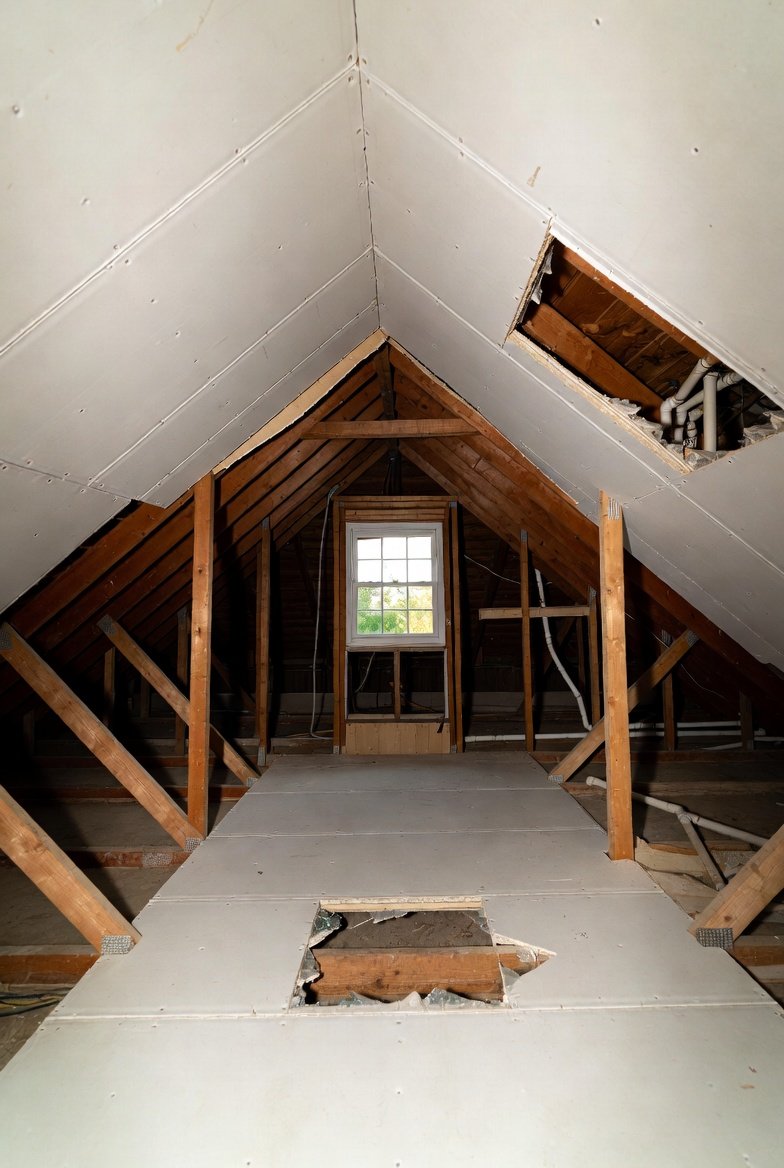
Attic Exterminator: Pest Control Attic Service That Actually Stays Fixed
If you’re searching for an attic exterminator, you’re usually dealing with one of these realities:
Rodents (mice/rats) you hear at night, or you’re finding droppings
Insects using attic-adjacent spaces (around vents, eaves, insulation, stored items)
An attic that feels unsafe or “contaminated” because something has been living up there
Here’s the helpful truth: attic pest problems rarely stay solved with a single tactic. The attic becomes “quiet” long-term when the service includes inspection + removal/treatment + exclusion (sealing entry points) + Animal in Attic cleanup when needed.
Quick Verdict
Choose an attic exterminator that includes exclusion/proofing in writing—treatment alone often reduces activity temporarily but doesn’t stop re-entry.
What an “Attic Exterminator” Covers (And What It Doesn’t)
“Exterminator” is a broad term. In real-world attic work, it usually means pest control for rodents and insects—plus the structural proofing that keeps them out.
But attics sometimes involve wildlife, which is a different lane (and often a different skill set).
Fast lane-split (so you call the right service)
What you’re dealing with Best fit Why it matters
Mice/rats in attic (droppings, gnawing, night activity) Attic exterminator / pest control Needs removal/treatment + sealing + safe cleanup
Insects (ants, roaches, wasps near attic/eaves) Pest control Targeted treatment + entry-point and moisture fixes
Squirrels/raccoons/bats/birds Wildlife removal + exclusion Humane eviction + one-way devices + repair work
If you’re unsure, a professional inspection should clarify the lane quickly—based on entry points, droppings type, timing, and nesting signs.
What a Proper Attic Pest Control Service Includes (The 4-Part Standard)
The attic services that hold up over time usually follow a consistent structure—because the attic is less about “spray once” and more about “fix the building.”
1) Inspection (the decision-maker step)
A good attic inspection typically checks:
Droppings, nesting areas, rub marks, and travel paths
Likely entry points (roofline gaps, soffit/fascia transitions, vent screens, utility penetrations)
Insulation disturbance and odor source zones
Areas where pests can hide or travel (duct runs, corners, wall void edges)
This step matters because “random treatment” rarely beats a clear map of how pests are entering and moving.
2) Removal / Treatment (pest-matched)
Rodents: a plan may involve traps and/or baiting (depending on risk and layout), plus follow-up checks
Insects: targeted treatments based on species and source (especially around vents/eaves)
The goal isn’t to do the most. It’s to do the right thing and then prevent the next entry.
3) Exclusion / Proofing (the “stay fixed” step)
Exclusion is where most long-term wins come from.
It typically includes:
Reinforcing or screening vents
Sealing gaps along soffits/fascia and roofline transitions
Closing utility penetrations and “construction gaps”
Fixing weak points pests repeatedly exploit
Without this step, even a successful removal can turn into a repeat.
4) Cleanup / Remediation (when the attic needs it)
Not every attic needs remediation. But if there’s heavy droppings/urine/nesting, cleanup reduces:
Odor and lingering “scent trails”
Hygiene risks
Re-attraction (pests are drawn to old nesting zones)
Exclusion Sequence Box (The Part That Prevents Repeat Visits)
If you remember one concept, remember the sequence:
Identify the primary entry point (where they’re likely coming and going)
Seal secondary gaps first (so pests can’t simply switch to another opening)
Use the right removal/treatment tools for the pest
Confirm activity drops (noise and fresh signs fade)
Finalize sealing on the main entry and reinforce vulnerable areas
This is why “treatment-only” services often feel like they work… until they don’t.
DIY vs Pro (Clear Decision Boundaries)
Companies That Remove Animals From Attic
Scenario DIY might be reasonable Call a pro
Light, occasional noise, no droppings ✅ Monitor 24–48 hours ✅ If it repeats
Droppings or nesting material visible ❌ ✅ Yes (safe cleanup + proofing)
Strong odor or heavy contamination ❌ ✅ Yes (cleanup/remediation likely)
You can’t find entry points ❌ ✅ Yes (inspection + exclusion plan)
You suspect wildlife (squirrels/raccoons/bats) ❌ ✅ Wildlife removal lane
DIY can help you avoid obvious mistakes, but closing the structure is the part that usually requires experience and the right materials.
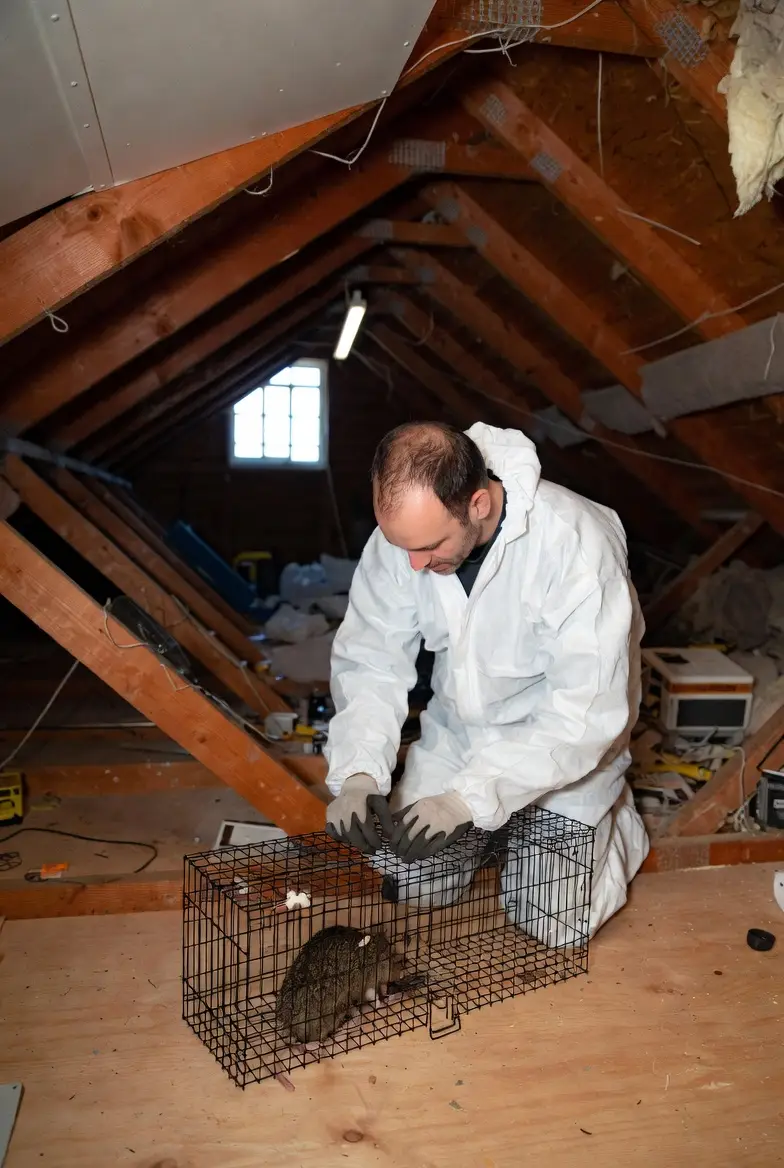
Rodent Droppings Safety (Important, Simple, and Non-Scary)
If rodents have been in the attic, don’t treat droppings like normal dust.
Practical rules:
Avoid sweeping or vacuuming dry droppings
Use a disinfecting approach (wet first, then wipe up)
Wear gloves; wash hands after
If contamination is extensive, it’s reasonable to hand cleanup to a professional remediation service.
Costs: Compare by Scope (Not a Single Price)
Attic exterminator pricing varies because the scope varies. The cleanest way to compare quotes is by “package level.”
Service Scope Ladder
Scope level What’s included Best for
Treatment-only
Traps/baits or insect treatment Limited use cases; not ideal if entry points stay open
Treatment + Exclusion Treatment + sealing/proofing Most common “done-right” option
Treatment + Exclusion + Remediation Adds cleanup, odor control, insulation work (when needed) Heavy droppings/urine/insulation damage
What really drives cost
Severity (how long it’s been happening, how much contamination exists)
Number of entry points to secure
Roof/attic access difficulty
Materials used for proofing (chew-resistant vs temporary patching)
Whether remediation is needed (and how much)
A cheap quote can be a bargain—or it can be the “treatment-only” tier disguised as a complete fix.
What a Good Attic Exterminator Visit Usually Looks Like
To set expectations, here’s what a solid visit typically includes:
Inspection + explanation
Photos of entry points and interior signs (so you can see what they’re seeing)
A plan broken into treatment, exclusion, and remediation (if needed)
Treatment
Rodent plan:
traps/baits as appropriate, placed strategically, with follow-up
Insect plan:
targeted treatment based on the source
Exclusion / proofing
Seal secondary gaps first
Reinforce vents and weak points
Finalize the main entry after activity drops and the plan is working
Cleanup / remediation (only when evidence supports it)
Remove nesting material and affected debris
Disinfect contaminated zones
Discuss insulation replacement only if contamination is heavy or insulation is damaged
Bat Note (Brief Decision Boundary)
If a bat is found inside living space, don’t handle it directly. A cautious, practical approach is to get guidance from local animal control/health authorities and have a professional assess exclusion timing and entry points.
This doesn’t mean you should panic—just don’t guess.
Aftercare: Keep the Attic Quiet Long-Term
A good service should leave you with a simple prevention posture:
Ask what was sealed and why (photos help)
Recheck roofline vent screens and soffit edges seasonally
Keep outdoor attractants managed (trash, pet food stored well)
If the attic had odor/contamination, confirm cleanup addressed the source
Limitations / Drawbacks (Balanced, Realistic)
Attics often require inspection for accurate pricing—scope is hidden.
Exclusion can cost more than treatment, but it’s usually what prevents re-entry.
Some infestations require follow-up checks to confirm activity truly stopped.
Remediation isn’t always necessary, but skipping it in heavily contaminated attics can leave odor and re-attraction issues.