
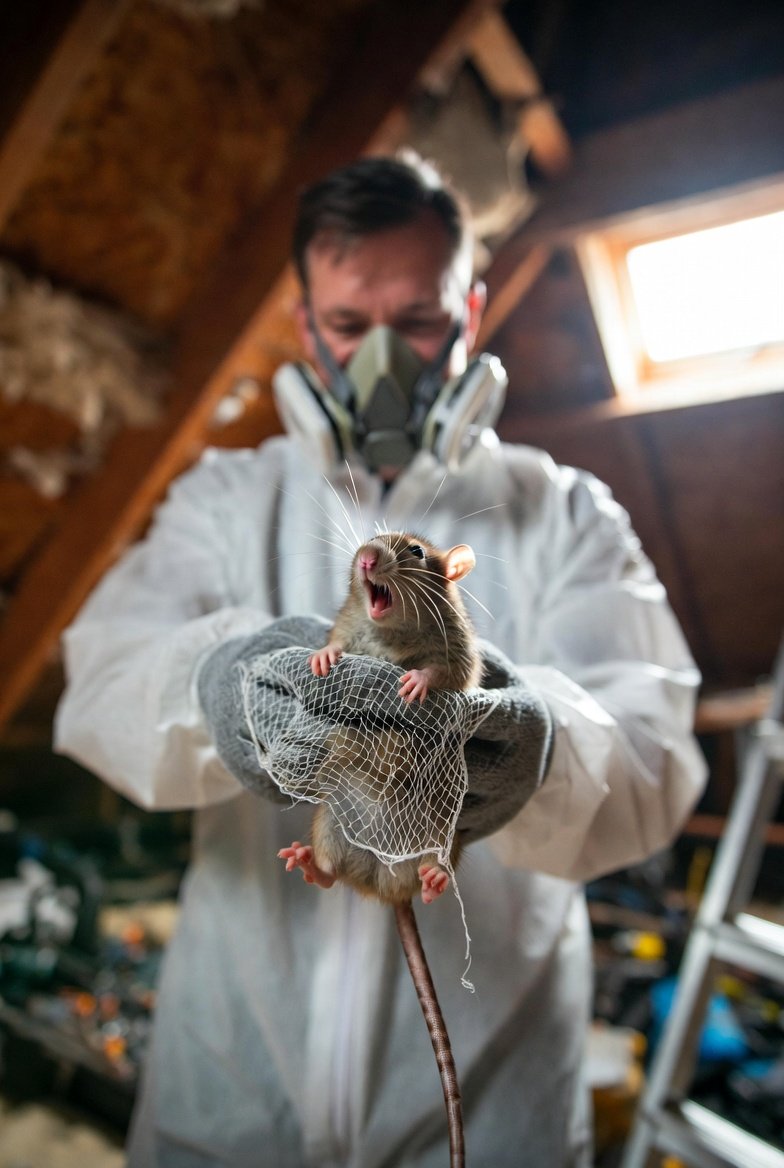
Companies That Remove Animals From Attic: Who to Call and What to Expect
You usually don’t need to “figure out the animal in attic” first. You need to make one good call to the right kind of company—and avoid the wrong ones.
Because here’s what surprises a lot of homeowners: the problem isn’t just the animal. It’s the open access point that let it in, and the mess or damage it may leave behind. The companies worth hiring don’t just remove. They inspect, remove, exclude (seal), and clean up—so you’re not dealing with the same issue again in a month.
Quick Verdict
Call a wildlife removal / wildlife control company that includes exclusion (sealing entry points) in writing—“trap-only” fixes often turn into repeat visits.
Who to Call for an Animal in the Attic (Pick the Right Lane)
Different organizations handle “animals in homes” in different ways. This table prevents the most common wrong-call:
Who you’re calling Best for What they usually do Where they fall short
Wildlife removal / wildlife control company Squirrels, raccoons, bats, birds, opossums, “mystery attic noises” Inspection, removal/eviction, exclusion, repairs, optional cleanup Quality varies—must confirm exclusion + warranty
Pest control company (general)
Rodents/insects; some also do wildlife Traps/baits; sometimes limited wildlife Some don’t do full exclusion/repairs—ask specifically
Municipal “animal control” / shelters Domestic animals (dogs/cats) Pickup/containment Often not set up for attic wildlife cases
State wildlife agency / conservation Guidance, protected species rules Advice, regulations Typically not a “come remove it today” service
If you remember one sentence: wildlife removal is the category most built for attics because it focuses on getting animals out and keeping them out.
First: Is This an Emergency? (Calm Triage)
Most attic animal situations are urgent, but they’re not all “panic urgent.”
Call for same-day guidance if:
You hear ongoing movement and it’s getting more active
You smell a strong musky odor or suspect a dead animal
You see droppings or insulation pulled apart
You see an animal enter/exit the house (you’ve got a known entry point)
Special case: bats (don’t ignore this)
If you wake up and find a bat in the room where someone was sleeping, public health guidance recommends treating that as a potential exposure and getting medical advice promptly—because bites can be hard to notice.
This doesn’t mean “freak out.” It means don’t wing it—get the right guidance.
What a Proper Attic Wildlife Job Includes (The 4-Part Standard)
A good company will describe a process that looks like this:
1) Inspection (the job you’re really paying for first)
They should check:
How to Find Entry Points Into the Attic (Vents, Soffits, Roofline)
Roofline, vents, soffits, fascia gaps, chimney areas
Attic travel paths, nesting, droppings, rub marks
Risk items (ductwork, wiring areas, wet spots)
2) Removal / Eviction (species-matched)
Depending on the animal, they may use:
Live traps (common for some wildlife)
One-way doors/valves/exclusion funnels (common for squirrels, bats in some contexts)
A staged plan if there’s a nest/family involved
3) Exclusion (the “don’t come back” part)
This is where strong companies separate from cheap ones.
In plain terms: seal secondary entry points, install an exit device on the main route, confirm activity stops, then finish the seal.
If a company can’t explain exclusion clearly, you may be buying a short-term fix.
4) Cleanup / Sanitizing / Restoration (when needed)
Rodent Droppings in Attic: Safe Cleanup Basics
Not every attic needs a full restoration. But if there are droppings, urine, nesting, or torn insulation, cleanup can matter for odor and hygiene.
For rodent droppings and nests, health guidance is consistent: do not sweep or vacuum dry droppings—wet/disinfect first to avoid kicking particles into the air.
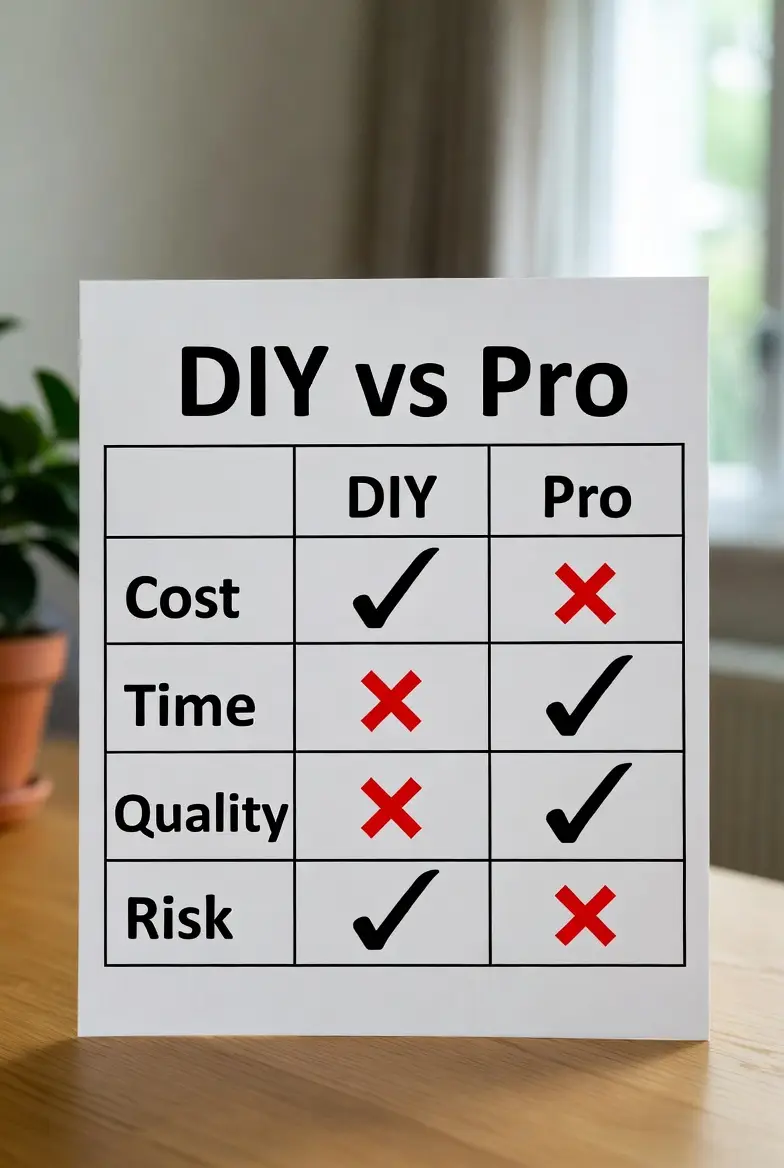
DIY vs Pro (A Simple Decision Table That Prevents Mistakes)
Attic Animal Removal: What the Service Includes
Situation DIY might be reasonable Call a pro
Light, occasional noise; no droppings, no odor ✅ Maybe (short-term monitoring) ✅ If it repeats or escalates
Droppings, nesting, torn insulation ❌ ✅ Yes (cleanup + exclusion + health)
You suspect bats ❌ ✅ Yes (rules + safety + proper exclusion)
You don’t know where it’s getting in ❌ ✅ Yes (inspection + sealing)
Strong odor / dead-animal smell ❌ ✅ Yes (locate source + sanitation)
Cost Reality: Compare the “Scope,” Not the Price Tag
Instead of chasing a magic number, compare what’s included. Here’s the scope ladder most homeowners run into:
Package style What it includes Who it’s for
Removal-only Trap/evict and leave Rarely a good idea unless you’re already sealing everything yourself
Removal + Exclusion Remove + seal entry points Most common “done-right” solution
Removal + Exclusion + Cleanup/Restoration Add sanitation, insulation removal/replacement, deodorize When droppings/urine/insulation damage is significant
Cost drivers that genuinely change the quote:
Species (bats/raccoons can be more complex than a single squirrel)
Number and difficulty of entry points (roof height, steepness, access)
Contamination level (droppings/urine/nesting)
Repairs (vent guards, soffit repair, fascia rebuild)
Warranty coverage on exclusion work
Smart move: ask for the quote broken into Removal / Exclusion / Cleanup so you can compare fairly.
The Hiring Checklist: Questions That Expose Weak Providers Fast
Use these on the phone. You’re not being “difficult”—you’re making the job clear.
About exclusion (must-have)
Do you include exclusion work (sealing entry points) after removal?
How do you confirm the animal is out before finishing the seal?
What materials do you use (metal mesh/guards vs foam-only patches)?
About credentials
Are you licensed and insured for wildlife work where I live?
Will you provide a written scope and photos of entry points?
About cleanup (if droppings are present)
How do you handle droppings and nests safely?
Do you avoid dry sweeping/vacuuming before disinfecting?
About warranty
Do you provide a warranty on exclusion work?
What exactly is covered (same entry points, new damage, storms, etc.)?
Red Flags (Common SERP-Problem Patterns)
Be cautious if a company:
Focuses on “trapping” and barely mentions sealing/exclusion
Wants to “seal everything today” without a plan to ensure the animal is out
Pushes add-ons you didn’t ask about before explaining the core issue
Won’t give a written scope or won’t show you entry points
Feels vague about bats (good operators treat bat scenarios carefully)
Cheap bids are often cheap because they’re not the same job.
What You Can Do Today (Before the Appointment) Without Making It Worse
Don’t block the main entry hole yet (you can trap an animal inside)
Avoid rummaging in the attic if there are droppings or strong odor
Keep pets away from attic access areas
Note timing:
Night scratching can suggest rodents and other nocturnal animals
Daytime heavy
movement can suggest larger wildlife (not always, but it’s a clue)
If you already see droppings: don’t sweep/vacuum dry material—use disinfecting guidance and handle it carefully, or let the company do it.
Limitations / Drawbacks (So Expectations Stay Realistic)
A reliable quote often requires inspection—attics hide scope.
Exclusion can cost more than removal, but it’s usually the part that prevents repeat invasions.
Some situations take staged steps (especially if there’s nesting), and rushing it can create worse outcomes.
Cleanup/restoration isn’t always required—but skipping it when contamination is heavy can leave odor and hygiene issues.
The “Tie-Breaker” Rule When Two Companies Look Similar
Hire an Attic Wildlife Removal Service
If you’re deciding between two quotes, pick the company that:
Lists exclusion work in writing (what gets sealed, with materials)
Explains how they confirm the animal is out before final sealing
Offers a reasonable warranty on exclusion
Can explain cleanup steps calmly and specifically (no vague “we sanitize everything”)
You’re not buying “animal removal.” You’re buying a closed, clean attic.