
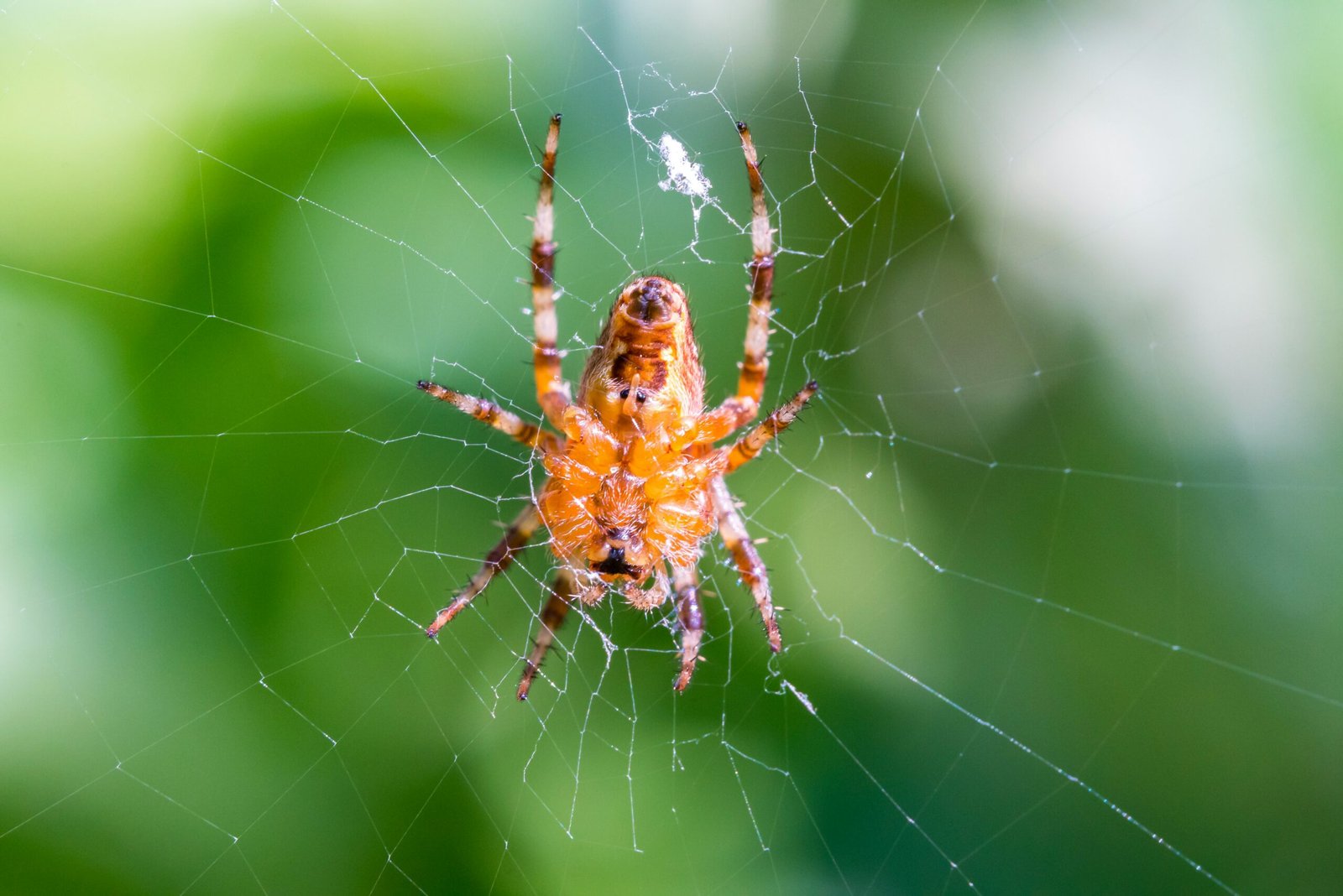
Spider Pest Control: When It’s Normal — and When It’s Time to Act
Seeing a spider inside your home can mean one of two things: normal seasonal movement — or a sign that your home is quietly supporting a stable insect ecosystem.
The difference isn’t fear. It’s a pattern.
Spiders settle where food, shelter, and entry points align. When those conditions exist, sightings increase. When they don’t, spiders remain occasional visitors.
This guide explains:
- When spider activity is normal
- When professional spider pest control makes sense
- What treatment actually includes
- Realistic service costs
- How to prevent spiders from returning
Quick Reality Check: Is This a Spider Problem?
An occasional spider is common in most homes.
Patterns matter more than isolated sightings.
Normal vs Concerning Spider Activity
What You’re Seeing | What It Usually Means | Recommended Response |
One spider every few weeks | Seasonal movement | Remove and monitor |
Webs returning in same corner | Stable insect food source | Clean + inspect lighting |
Multiple spiders across rooms | Active insect population | Investigate broader pest activity |
Egg sacs discovered | Established breeding cycle | Professional evaluation recommended |
Sudden indoor spike | Weather or prey surge | Inspect entry points |
Repeated webs in the same location usually indicate stable insect activity — not random spider movement.
Why Spiders Show Up in the First Place
Spiders follow opportunity.
Three Conditions That Attract Them
1. Food Availability
Where flies, gnats, and small insects thrive, spiders follow.
2. Quiet Shelter
Basements, garages, attics, and cluttered storage zones provide stability.
3. Entry Points
Small cracks around siding, vents, foundations, and doors allow unnoticed access.
If structural gaps are present, addressing them properly is part of a broader pest prevention strategy. Our guide on how to seal entry points in your home explains what to prioritize:
When these factors overlap, spiders establish — they don’t just pass through.
Common Spiders That Trigger Service Calls
Most household spiders are harmless. However, certain species increase homeowner concern:
- Black widow spiders — Homeowners worry due to venom reputation. Professionals assess location and density before determining actual risk.
- Brown recluse spiders — Concern centers around bite reactions. Proper identification is critical, as many harmless spiders are misidentified.
- Wolf spiders — Large size causes alarm, though they are typically accidental intruders.
- Cellar spiders — Heavy web builders; often signal insect presence rather than danger.
Geographic Sensitivity Matters
Spider pressure varies significantly by climate and region. Southern states may see longer seasonal activity. Northern climates often experience indoor movement during colder months.
Treatment approaches adapt accordingly. Professionals evaluate habitat, moisture, and prey conditions rather than assuming all spider activity carries the same risk.
When Spider Pest Control Becomes the Smart Move
Not every sighting requires treatment. Patterns do.
DIY vs Professional Threshold
Situation | DIY May Be Enough If… | Call Spider Pest Control If… |
Occasional sightings | Rare and decreasing | Increasing monthly |
Web buildup | Cleaning reduces return | Webs reappear quickly |
Garage-only activity | Confined to one zone | Spreads indoors |
Seasonal spike | Declines after weather shift | Persists year-round |
Known insects | You resolve the source | Insects continue |
If spider activity overlaps with broader insect issues, reviewing signs of pest infestation can clarify whether a more comprehensive approach is needed:
Professional treatment interrupts environmental conditions spiders rely on.
What Professional Spider Pest Control Actually Includes
Effective service targets environment, not just visible spiders.
Step 1 — Property Assessment
Technicians typically evaluate:
- Exterior entry points
- Foundation cracks
- Moisture-prone areas
- Attics and crawlspaces
- Landscaping near siding
- Active insect zones
If attic activity is involved, it may align with attic pest control services as part of a broader strategy:
Step 2 — Web Removal & Habitat Disruption
Web removal interrupts established nesting behavior. It reduces anchor zones and discourages rebuilding.
Step 3 — Targeted Interior & Exterior Treatment
Modern treatment may include:
- Residual perimeter applications
- Crack-and-crevice treatment
- Void dusting where needed
- Exterior barrier reinforcement
Exterior treatments are especially effective in vegetation-heavy or moisture-prone environments.
Step 4 — Insect Reduction
Because spiders follow prey, reducing insect populations is essential.
Spider control is most stable when integrated into structured pest management rather than treated in isolation.
How Much Does Spider Pest Control Cost?
Realistic national ranges:
- One-time treatment: $150 – $400
- Quarterly service plan: $100 – $180 per visit
- Larger homes or heavy activity: Higher end
- Attic/crawlspace add-ons: Additional cost depending on access
Primary Cost Drivers
Factor | Why It Matters |
Home size | Larger coverage area |
Spider density | Higher activity requires longer stabilization |
Structural complexity | Crawlspaces/high ceilings increase labor |
Exterior conditions | Vegetation may require added treatment |
Recurring vs one-time | Ongoing plans often reduce long-term cost |
For full pricing structure context, see our pest control cost guide:
Thorough inspection and environmental correction prevent repeat expenses.
What Results Should Look Like
Spider control is typically a downward trend — not instant elimination.
Typical Progression
Timeframe | What You’ll Notice |
First few days | Reduced visible spiders |
Week one | Slower web rebuilding |
Weeks two–three | Stabilization |
One month | Reduced environmental support |
Why Spiders Sometimes Come Back
Return activity usually reflects environmental conditions:
- Untreated insect populations
- Bright exterior lighting attracting prey
- Unsealed entry gaps
- Cluttered storage areas
- Landscaping touching siding
Sprays alone cannot override environmental conditions. Insect pressure drives spider pressure.
Long-term stability depends more on prevention than reaction. Seasonal strategies outlined in our outdoor pest prevention guide help maintain balance:
A Practical Next Step
If spider activity is increasing rather than stabilizing, consider starting with a structured inspection.
An evaluation clarifies whether conditions support ongoing spider presence — and whether simple prevention steps will resolve the issue efficiently.
The Bottom Line
Spider pest control becomes valuable when activity signals that your home is supporting a broader insect ecosystem.
Addressing environmental conditions early prevents recurring cycles and reduces broader pest risks.
With the right balance of treatment and prevention, most homes return to predictable, low-activity conditions.